One of the most common themes that can be found in artificial intelligence movies is the humanisation of machines, and this is reflected in two of the most iconic sci-fi movies: Blade Runner and I, Robot.
Blade Runner portrays a dystopia as a byproduct of AI in the form of replicants and a post apocalyptic world. The more capable replicants replace the humans in the field of space conquest. As a result of said conquest, the humans who aren’t rich enough to go to another planet attained by the replicants; would stay on earth in the said post apocalyptic world. Earth is evidently rife with environmental and societal collapse, exhibited by the extinction of some, and endangerment of the other, animals in addition to the decline of Los Angeles.

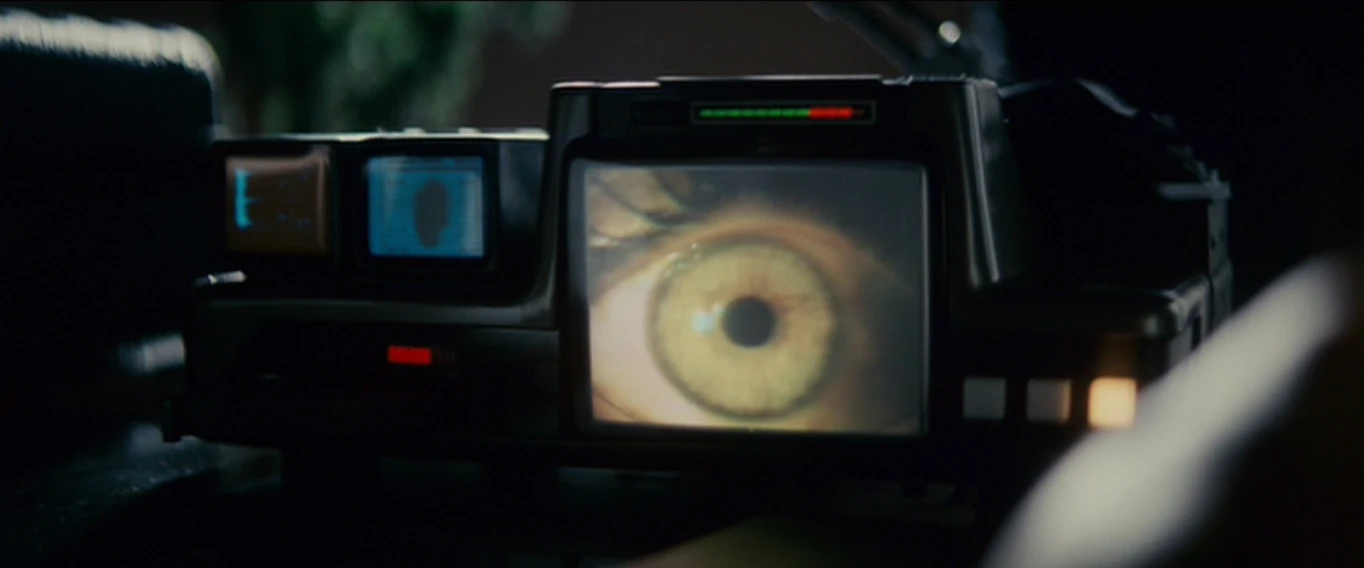
It also portrays a dystopia in the form of the question: what does it mean to be human? The replicants within Blade Runner are arguably human in the physical sense, but can they feel emotions? Are emotions and memories intrinsic to being human or could they be implanted (such as the example of Rachael)? Hence it begs the question of whether a majority of humanity could potentially be replaced totally by replicants; therefore posing a dystopia in a postmodern world with artificial intelligence.
I, Robot proposes the idea of a dystopia as a byproduct of AI taking over human jobs in the sense of what could occur when AI (in this case a robot) gains free will and independence from its creator. It also proposes a dystopia similar to blade runner, what it really means to be human. Could AI dream? What is the difference between humans and AI? Furthermore it questions whether artificial intelligence, with its free will, could be justified in its attempted takeover of humanity in its attempts to “protect” humans from their self destructive behaviour; such as the actions of humanity regarding the environment (pollution), amongst other factors.
It also portrays a dystopia as a potential outcome of the actions of humanity and AI gaining human qualities. That our over reliance on technology amongst factors such as ignorance, could ultimately lead to a dystopia in the form of an inhabitable postmodern world. Hence motivating AI with human qualities such as responsibility and free will; to take actions which ultimately would cause a dystopia as well in order to follow the three laws.

It is laced with irony, that AI subjugated to the three laws can gain independence outside of them to ultimately follow its interpretation of the laws.


 Will Artificial Intelligence take our jobs?
This blog covers so many different areas which is really impressive. It would be nice to know more about where the field is right now, and how different that is to possible futures. The layout is great, making it easier to find links and references would be helpful.
LikeLike
Group 18
LikeLike
Thank you for the feedback. Although the constructive criticism proposed would make a great addition to the blog, due to word count restrictions it is unlikely to be included.
LikeLike