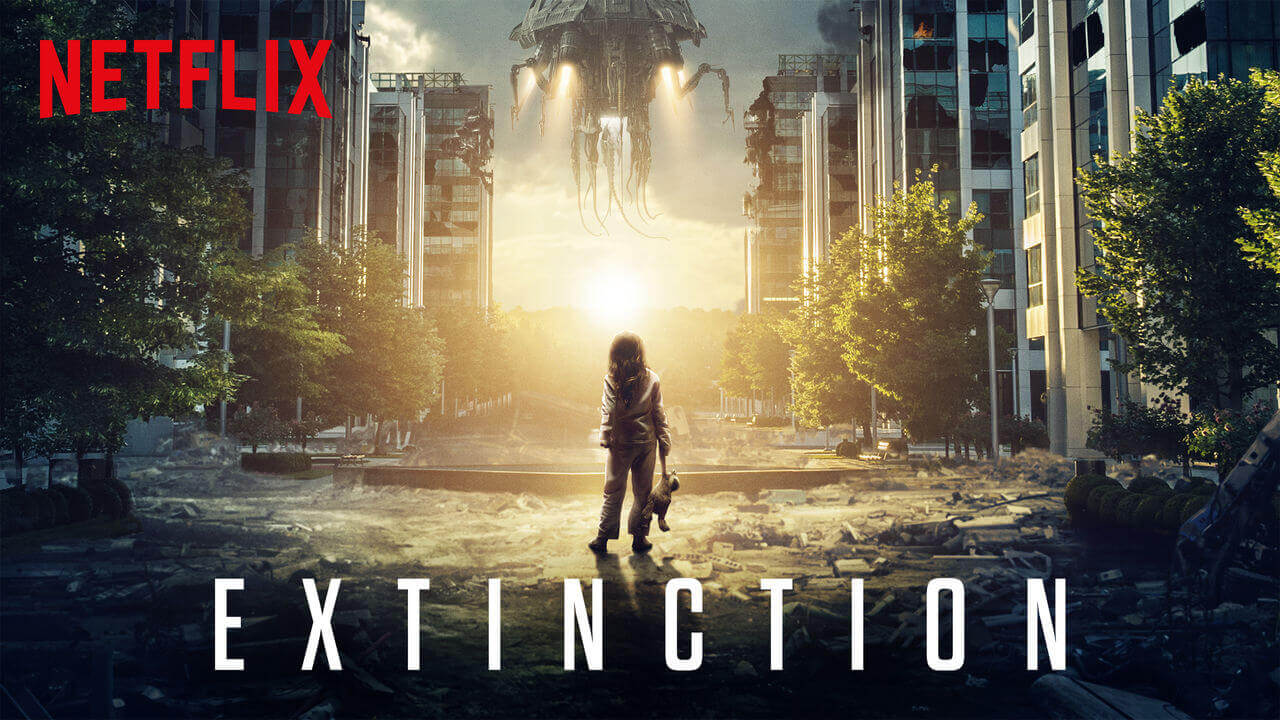
- Quite frankly, taking over our jobs is just the tip of the iceberg when it comes to AI. The recent Netflix film Extinction, tells the story of a family of “synthetics”, essentially robots that are made to appear and function exactly like humans.
- There are opposing views presented in this movie, some believing that synthetics should be shut down because “they will rise up, they will overtake us, they will subdue us”, starting from taking over our jobs. Others believe that there is nothing that makes us better than the synthetics, and since they are here to stay, we should “entertain the possibility they be given the same rights as you and I”.
- Artificial intelligence is different from all previous created objects, because they can “wake up to the idea that they were designed to serve us”, “[compelling] them to wonder why they were built in the first place”.
- To really cope with the rise of AI, the question we should be asking ourselves is: where do we draw the line? Us humans have always had the desire to make machines that resemble us as much as possible, since we more or less perceive ourselves as the epitome of intelligence. This in and of itself is not problematic, but if we overdo it, we might just give the machines the power to overthrow us. Thus, this balance is an extremely fine one. It is imperative that we humans reach a consensus on this issue, because otherwise, we not only risk AI overtaking us, but also dividing amongst ourselves.
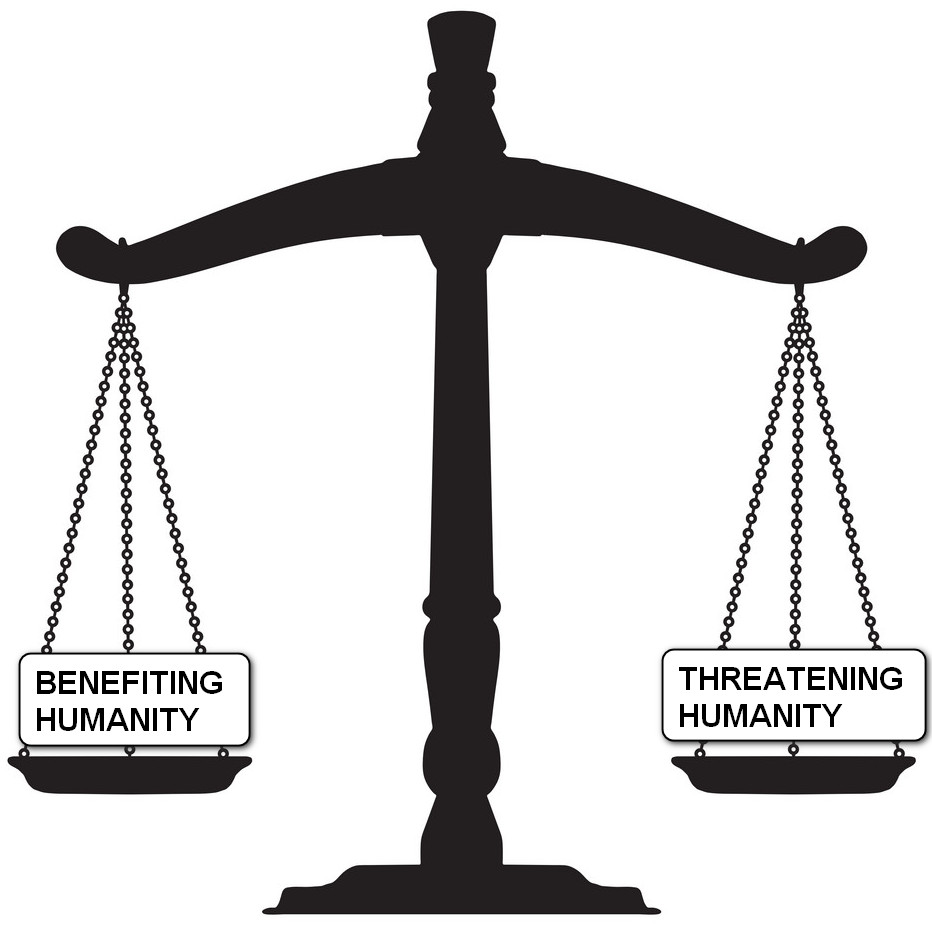
- Some people might think that the current sci-fi portrayal of AI is over exaggerated, and that it is simply impossible for machines to fully gain humanistic consciousness. But in reality, artificial intelligence is now advancing at great speeds, and when we reach the stage where machines are responsible for developing other machines, the power that machines can gain may become even more unimaginable. Sci-fi films serve the purpose of presenting these hypothetical situations that could very well happen in the near future. And whilst these situations may seem far fetched for some, there is no way for us to know whether or not it will happen in future, but it is still in our best interested to be well-informed and well-prepared.
- Other measures or policies need to be put in place to adapt to the inevitable evolution of our society. Education systems need to reform to teach the next generation about things that will actually be relevant in future decades. It is of paramount importance that we improve the general public’s awareness on the development of AI, since they ultimately will be those affected. AI is improving at such a rapid speed, and we must take necessary precautionary measures if we do not want it to overtake us before we know it.
Any opinions expressed within this blog are the opinions of the author(s) and not those of University College London. This blog does not represent or endorse the accuracy or reliability of any information, content or advertisements contained on, distributed through, or linked, downloaded or accessed from any of the services contained on this website. You hereby acknowledge that any reliance upon any materials shall be at your own risk. This blog reserves the right, at its sole discretion and without any obligation, to make improvements to, or correct any error or omissions in any portion of the service or the materials.

 Will Artificial Intelligence take our jobs?